503-590-7574
Blog
What Causes Tooth Erosion and How to Prevent It
October 14, 2025
Dental Care
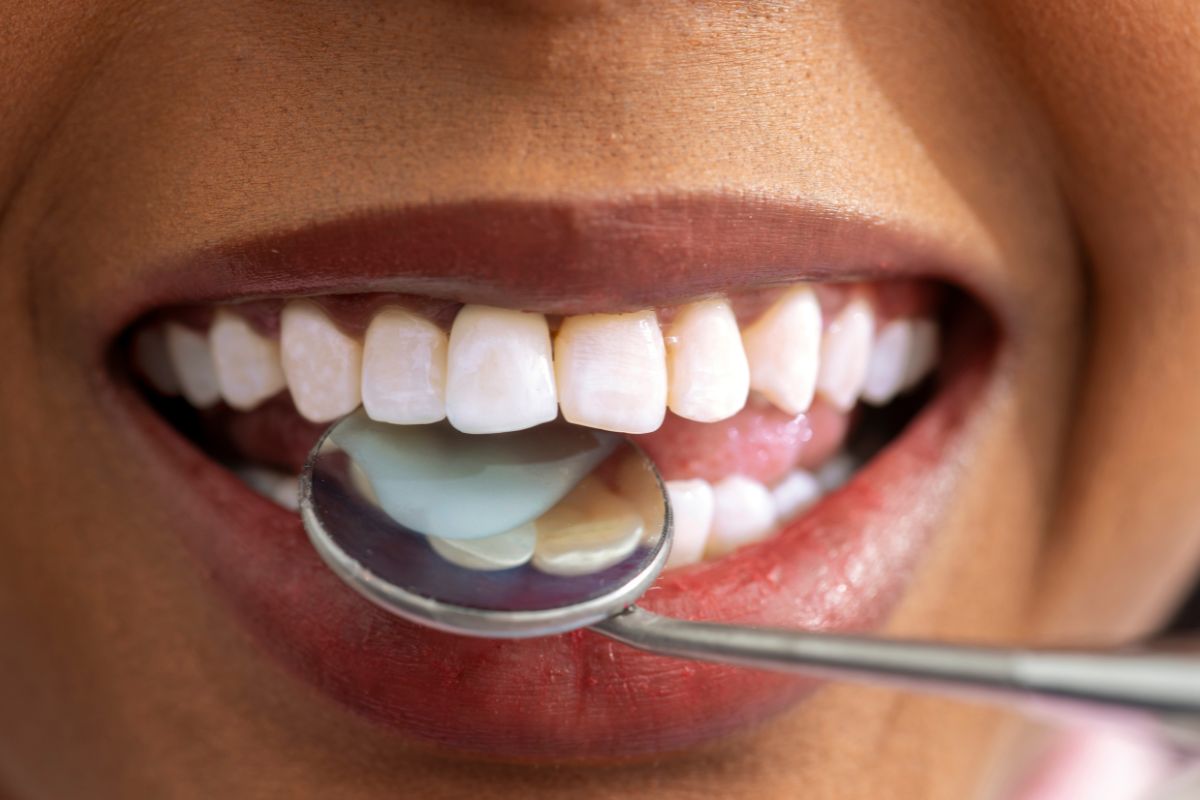
Tooth erosion is the gradual wearing away of enamel, the hard outer layer that protects your teeth. Unlike cavities caused by bacteria, erosion results from chemical processes, often linked to diet, lifestyle, and medical conditions. Left unchecked, it can lead to sensitivity, discoloration, and tooth loss. Understanding the causes and preventive strategies can help you maintain a healthy smile.
What is Tooth Erosion?
Enamel acts as a shield for your teeth, protecting them from daily wear and decay. Tooth erosion occurs when enamel gradually wears down due to acids or other factors. Unlike cavities, which are localized decay, erosion affects the entire tooth surface. Over time, this can cause thinning, cracks, and heightened sensitivity.
Common Causes of Tooth Erosion
Acidic Foods and Beverages
Frequent consumption of soda, citrus fruits, sports drinks, and energy drinks exposes your teeth to high acid levels. These acids weaken enamel, making it more susceptible to damage. Even occasional sips of acidic beverages can contribute to long-term enamel wear.
Gastrointestinal Issues
Conditions like acid reflux (GERD) or frequent vomiting expose teeth to highly corrosive stomach acids. This can accelerate enamel erosion if left untreated.
Dry Mouth and Low Saliva Production
Saliva protects teeth by neutralizing acids and washing away food particles. Reduced saliva from medications, medical conditions, or dehydration leaves teeth more vulnerable to erosion.
Aggressive Brushing Habits
Brushing too hard or using a hard-bristle toothbrush can wear down enamel over time. Proper brushing techniques are essential to protect your teeth while maintaining oral hygiene.
Lifestyle Factors
Smoking, excessive alcohol consumption, and poor diet can collectively weaken enamel. When combined with other causes, they increase the risk of severe erosion.
Signs and Symptoms of Teeth Erosion
Watch for:
- Sensitivity to hot, cold, or sweet foods
- Visible thinning or yellowing of enamel
- Chips, cracks, or rounded edges
- Frequent cavities
If you notice these signs, it’s essential to consult a dental professional. Visiting a family dentist in Beaverton can help detect early erosion and recommend preventive measures tailored to your needs.
How to Prevent Tooth Erosion
Quick Tips to Protect Your Enamel:
- Reduce acidic foods and beverages; use a straw for drinks when possible.
- Rinse your mouth with water after acidic meals or beverages.
- Brush gently with a soft-bristled toothbrush, waiting 30–60 minutes after acidic foods.
- Use fluoride toothpaste or mouth rinses to strengthen enamel chemically.
- Chew sugar-free gum to stimulate saliva production.
- Stay hydrated to maintain a healthy flow of saliva.
- Address medical conditions like GERD with your healthcare provider.
- Schedule regular dental checkups for professional prevention treatments such as sealants or fluoride applications.
Treatment Options for Advanced Erosion
Restorative treatments such as dental bonding, veneers, or crowns may be necessary for severe erosion. Professional fluoride treatments can also help rebuild enamel and reduce sensitivity. Early intervention can save teeth from extensive damage and costly repairs.
Prevent Teeth Erosion Before It’s Too Late
Your teeth work hard daily, and keeping them strong starts with protecting your enamel. At Murray Scholls Family Dental in Beaverton, our experienced team provides personalized care to prevent tooth erosion and address early signs of enamel wear. From expert dental exams to preventive treatments like fluoride applications and professional cleanings, we focus on keeping your smile healthy for years to come.
Don’t wait until sensitivity or damage affects your teeth. Schedule your appointment today and let our Beaverton dental team help you maintain a confident smile. Your enamel is your first line of defense—give it the care it deserves!
Recent Posts
August 18, 2026
Can Veneers Fix Gapped or Uneven Teeth?

August 13, 2026
Can Veneers Stain? What to Know About Coffee, Tea, and Wine

August 6, 2026
Best Dentist for Kids Near Beaverton, OR: What to Look For

July 29, 2026
7 Signs You Need a Dental Implant (And What to Do Next)
July 21, 2026