503-590-7574

Blog
Can Invisalign Fix an Overjet? – Murray Scholls Family Dental
February 13, 2023
Invisalign
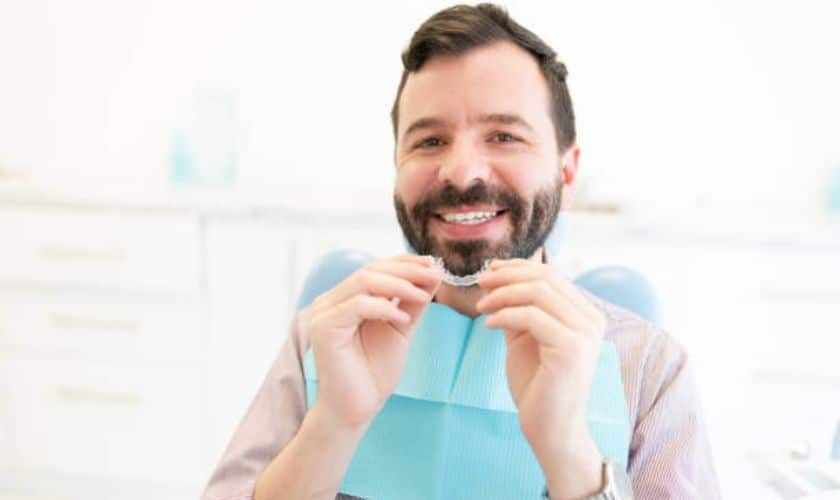
Have you ever wondered if Invisalign works for fixing an overjet (when the upper teeth overlap the bottom ones)? Are you thinking about investing your time, energy, and money in clear aligners only to find that you don’t get the results you wanted? Read on to find out what an expert has to say about using Invisalign to fix an overjet—and get all of your questions answered!
What is an Overjet, and How Can Invisalign Help?
An overjet is when your top teeth protrude past your bottom teeth. It’s a common orthodontic issue that various factors, including genetics, thumb sucking, or injury, can cause. An overjet can make it difficult to bite and chew food properly and lead to speech problems.
Invisalign is a type of clear aligner that is virtually invisible when worn. Invisalign can be used to treat an overjet by gradually moving the teeth into their proper position. The average treatment time for an overjet with Invisalign is 9-15 months.
The Benefits of Using Invisalign To Treat Overjets
An overjet is a common dental problem where the upper teeth protrude too far forward about the lower teeth. This can cause functional problems with eating and speaking and can also be a cosmetic issue. Invisalign is a popular treatment option for correcting overjets.
Invisalign treatment involves wearing clear, removable aligners that gradually shift the teeth into the desired position. Because the aligners are removable, they are very convenient and comfortable. Treatment with Invisalign is typically faster than traditional braces, and there is no need for uncomfortable wire adjustments.
There are many benefits of using Invisalign to treat overjets. The clear aligners are virtually invisible, so they are cosmetically very attractive. They are also very comfortable to wear, and treatment is typically faster than traditional braces.
Risks Involved With Invisalign Treatment
Patients should be aware of a few risks associated with Invisalign treatment before starting treatment. These risks include:
1. Allergic reactions: Some patients may experience allergic reactions to the materials used in Invisalign aligners, such as plastic or adhesives. These reactions are usually mild and can be treated with over-the-counter medication, but in rare cases, they can be severe. If you experience any allergies or sensitivities during treatment, please let your doctor know so they can adjust your treatment plan accordingly.
2. Damage to teeth: Invisalign aligners are made of strong plastic material, which means they can cause damage to teeth if not used properly. It’s important to follow your doctor’s instructions on how to wear and care for your aligners to avoid any damage to your teeth.
3. Gum inflammation: Wearing Invisalign aligners can sometimes cause gum inflammation, especially if the aligners don’t fit properly. Again, it’s important to follow your doctor’s instructions on how to wear and care for your aligners to minimize the risk of gum inflammation.
4. Root resorption: Root resorption is a condition where the roots of the teeth start to dissolve. This can happen when the teeth are moved too much or too quickly during orthodontic treatment like Invisalign. However, this is a rare complication and typically
Types of Invisalign Aligners & Procedures
Three types of Invisalign aligners are clear, metal, and invisible. Each type of aligner has its own set of benefits and drawbacks.
Clear aligners are the most popular type of Invisalign. They’re made from a clear, plastic material that’s nearly invisible when worn. Clear aligners are also removable, so you can take them out to eat, brush your teeth, and floss.
Metal aligners are less popular than clear aligners, but they have some advantages. Metal aligners are stronger and less likely to break than clear aligners. They’re also more visible, so your orthodontist can closely monitor your progress. However, metal aligners are not removable, so you’ll need to be careful not to damage them when eating or brushing your teeth.
Invisible aligners are the least popular type of Invisalign. They’re made from a clear plastic material that is nearly invisible when worn. However, invisible aligners cannot be removed, unlike clear and metal aligners. This means you’ll need to be extra careful not to damage them when eating or brushing your teeth.
How to Prepare for Your Invisalign Treatment
Invisalign is a clear aligner system that is used to straighten teeth. The treatment involves wearing clear, custom-made aligners that gradually move your teeth into the desired position. To prepare for your Invisalign treatment, there are a few things that you will need to do.
First, you must schedule an appointment with a dentist specializing in Invisalign. During this initial consultation, the doctor will assess your case and determine whether or not Invisalign is right for you. If it is determined that Invisalign is indeed the best course of action, digital images and impressions of your teeth will be taken to create your custom aligners.
Next, you must request copies of all dental x-rays from your current dentist. These x-rays are necessary for the orthodontist/Invisalign provider to develop an accurate treatment plan. Once you have received these x-rays, you should bring them to your first appointment.
Finally, although Invisalign treatment is much less invasive than traditional braces, there are still some things that you can do to prepare your mouth for the aligners. This includes brushing and flossing regularly and eating a healthy diet. It is also important to avoid hard or chewy foods and sticky substances like gum which can potentially damage the aligners.
Tips on Caring For Your Invisalign Aligners
Assuming you have already decided to go ahead with Invisalign treatment to fix your overjet, congratulations! You are on your way to achieving the smile of your dreams. Invisalign clear aligners are invisible, so people will only know you are wearing them if you tell them. They are also removable, so you can take them out to eat, brush and floss your teeth, and for special occasions. However, although they are very low-maintenance compared to traditional braces, there are still some things you need to do to take care of them and ensure that your treatment is a success:
Brush and floss your teeth as usual
You still need to brush and floss your teeth twice a day and after every meal or snack, even though you are wearing Invisalign aligners. This is because food and plaque can still build up around your teeth and gums, leading to cavities or gum disease. Be sure to brush gently around the aligners so they don’t get scratched.
Clean your aligners
It’s important to clean your aligners every day so that bacteria doesn’t build up on them. You can clean them with a soft toothbrush and mild soap, or there are also special Invisalign cleaning crystals that you can use.
Remember to wear them! It may be tempting to take out your aligners for extended periods (especially
When to Expect Results After Starting Your Invisalign Treatment
Most patients see results within the first few months of treatment, but it varies from person to person. You may notice a difference in the alignment of your teeth after just a few weeks, but it can take up to several months for more noticeable results. And since everyone is different, the amount of time it takes to achieve your desired results will also vary.
That being said, you should expect to see some results within the first few months after beginning treatment. And by the end of your treatment plan—which typically takes about 12 months—you should have achieved significant results.
Say Goodbye to Overjet, Hello to Confidence
Yes, Invisalign can effectively correct an overjet, especially in mild to moderate cases. It offers a modern, discreet, and comfortable way to enhance both your smile and bite. When you’re ready to transform your smile, Murray Scholls Family Dental is here to provide expert guidance every step of the way.
Take the first step toward a confident, straight smile! Book your Invisalign consultation with our dental practice and discover how clear aligners can correct your overjet with ease and comfort.
Recent Posts
May 21, 2026
The Dental Crown Procedure, Step by Step: A Patient’s Complete Guide
May 13, 2026
Invisalign for Teens: What Every Parent Should Know Before Getting Started

May 8, 2026
How Smoking Affects Oral Health: What You Needs to Know

April 29, 2026
Why You Should Tell Your Dentist if You Have Allergies
April 22, 2026