503-590-7574

Blog
Invisalign for Teens: What Every Parent Should Know Before Getting Started
May 13, 2026
Invisalign
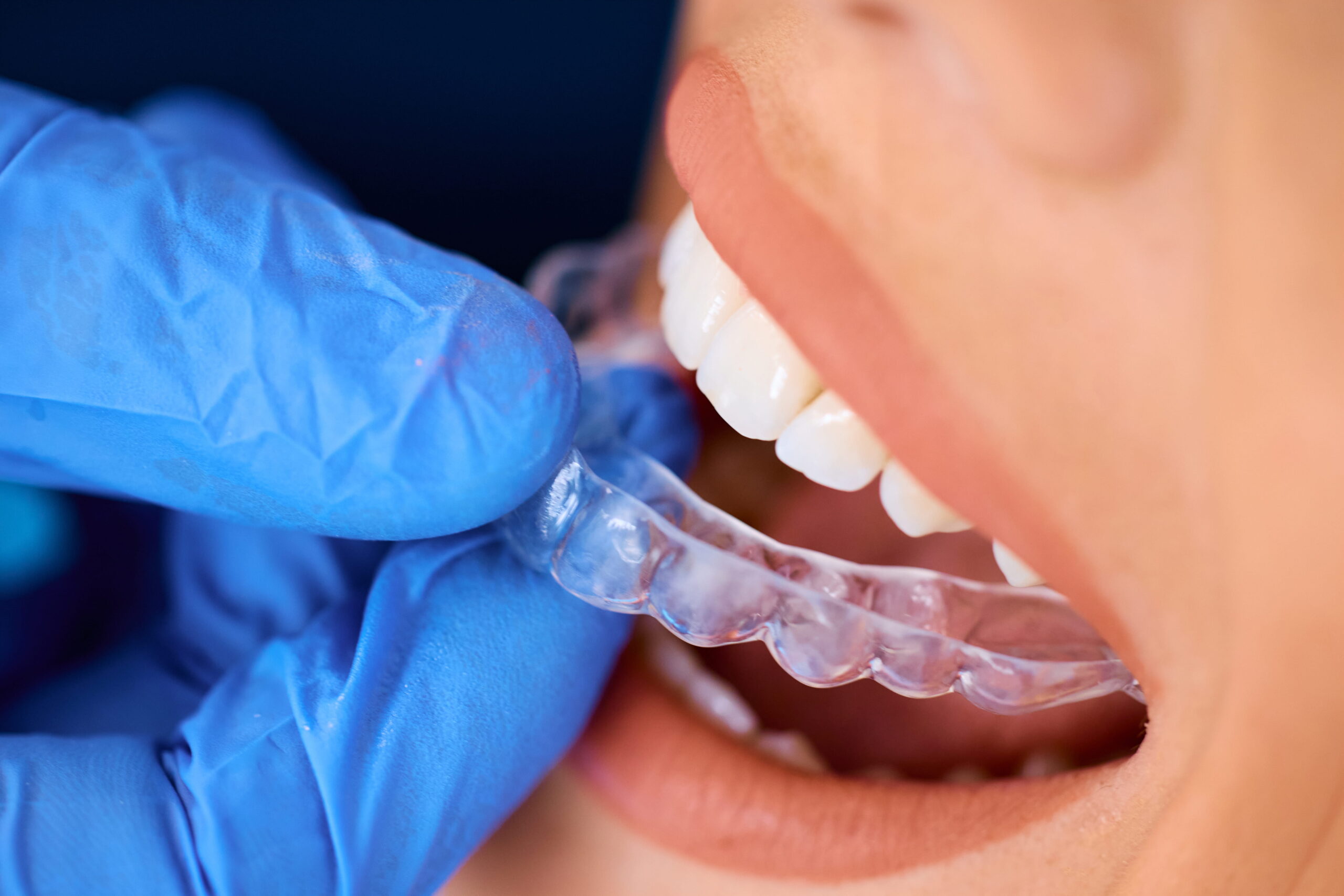
If your teenager has crooked teeth or a misaligned bite, you’ve probably started researching orthodontic options — and Invisalign keeps coming up. For parents in Beaverton, OR, that curiosity is well-founded. Invisalign for teens has become one of the most sought-after alternatives to traditional braces, and for good reason: it’s discreet, removable, and designed with teenagers’ busy lives in mind.
But is it actually the right fit for your child? Before you commit, here’s a clear, honest breakdown of what Invisalign involves for adolescent patients, what the research supports, and what questions you should ask at your consultation.
How Invisalign Teen Differs From Standard Invisalign
Invisalign offers a version of its clear aligner system specifically designed for adolescent patients — often referred to as Invisalign Teen. It includes a few key features that account for the realities of treating a younger patient:
- Compliance indicators: Small blue dots on the aligners fade with wear, so parents (and dentists) can gauge whether the trays are being worn enough.
- Eruption tabs: These accommodate teeth that haven’t fully grown in yet — a common situation with teenagers.
- Replacement aligners: The program typically includes a set of replacement trays in case aligners are lost or damaged.
These aren’t just marketing features. They reflect a genuine clinical consideration: teens face different challenges than adult patients when it comes to orthodontic compliance and dental development.
Is Your Teen a Good Candidate?
Not every teenager is an ideal candidate for Invisalign, and an honest provider will tell you that upfront. Clear aligners work best for mild to moderate orthodontic issues, including:
- Crowded or widely spaced teeth
- Mild overbite, underbite, or crossbite
- Some open bite presentations
More complex cases — like significant skeletal discrepancies or severe malocclusions — may still require traditional braces or even surgical orthodontic intervention. A thorough examination, including digital X-rays and bite mapping, is the only reliable way to determine candidacy. At Murray Scholls Family Dental, consultations include this kind of complete clinical picture before any treatment recommendation is made.
Age also matters. Most orthodontists and general dentists recommend waiting until a patient has most of their permanent teeth — typically around ages 12 to 14 — before beginning aligner therapy.
The Compliance Question: What Parents Really Need to Understand
This is where many parents are caught off guard. Invisalign only works if the aligners are worn consistently — 20 to 22 hours per day, every day. That leaves two to four hours for eating, drinking anything other than water, and brushing.
For some teens, this is no problem. For others, it’s a real challenge. Treatment outcomes are directly tied to how well aligners are worn. Unlike braces, which are fixed and always working, clear aligners depend entirely on patient cooperation.
Here’s what the conversation at home should look like before you start:
- Does your teen understand that removing the aligners too often will extend treatment time — or compromise results?
- Are they prepared to brush after every meal before reinserting the trays?
- Can they manage the responsibility of not losing or forgetting their aligners?
This isn’t meant to discourage you. Plenty of teens do beautifully with Invisalign. But setting accurate expectations upfront — with your teen, not just for them — makes a meaningful difference in outcomes.
What Treatment Actually Looks Like
Once treatment starts, your teen will receive a series of custom-made aligners. Each set is worn for approximately one to two weeks before advancing to the next. Progress appointments are typically scheduled every six to eight weeks.
Treatment length varies widely based on the complexity of the case, but most teen cases run somewhere between 12 and 18 months. Some simpler cases finish in under a year; more involved presentations may take longer.
Unlike traditional braces, there are no dietary restrictions — your teen can still eat whatever they want, since the aligners come out for meals. And there are no brackets or wires to irritate the soft tissue of the mouth.
After treatment, a retainer is still necessary to maintain results. This is true for all orthodontic treatment, not just Invisalign — teeth naturally want to shift back toward their original positions over time.
Invisalign vs. Braces for Teens: A Practical Comparison
There’s no universally “better” option — it depends on the clinical situation, your teen’s personality, and your family’s priorities. Here’s a straightforward breakdown:
| Invisalign | Traditional Braces | |
|---|---|---|
| Visibility | Nearly invisible | Noticeable |
| Removability | Yes | No |
| Dietary restrictions | None | Several |
| Compliance required | High (patient-driven) | Lower (fixed) |
| Best for | Mild to moderate cases | All severity levels |
| Oral hygiene | Easier | More involved |
For teens who are self-conscious about their appearance and responsible enough to follow through on wear time, Invisalign is often an excellent fit. For teens who are still developing those habits — or who have complex bite issues — braces may serve them better.
Why Local Matters: Choosing a Provider in Beaverton
Orthodontic treatment is a long-term commitment. You’ll be coming in for progress appointments over the course of a year or more, so having a provider close to home makes a real difference — especially for school-aged patients.
Murray Scholls Family Dental is conveniently located for families throughout Beaverton and the surrounding areas of Washington County. The practice offers Invisalign consultations in a family-friendly environment, with a team experienced in treating adolescent patients. You can also find us on Google Maps to plan your visit.
When choosing any Invisalign provider, look for a dentist or orthodontist who:
- Completes a thorough clinical evaluation before recommending treatment
- Discusses both aligner and braces options openly
- Has experience working with teenage patients specifically
- Provides clear guidance on what to expect throughout treatment
Questions to Ask at Your Teen’s Invisalign Consultation
Walk into your consultation prepared. These questions will help you get the clearest picture of whether Invisalign is right for your teenager:
- Is my teen’s case a good clinical fit for clear aligners?
- How many aligner stages does the treatment plan require?
- What happens if aligners are lost or damaged?
- What does the retention phase look like after treatment ends?
- Are there any developing teeth we need to account for in the treatment plan?
A provider who welcomes these questions — and answers them clearly — is one worth trusting with your teen’s smile.
Conclusion
Invisalign for teens in Beaverton is a genuinely effective orthodontic option when the case is right and the patient is committed. The technology has come a long way, and the teen-specific features built into the system reflect real clinical thinking about how adolescent treatment works. That said, it’s not the right fit for every teenager — and an honest consultation is always the starting point.
If you’re ready to find out whether Invisalign is a good match for your teen, the team at Murray Scholls Family Dental is here to help you get the full picture.
FAQs
Q: At what age can teenagers start Invisalign treatment?
Most dental providers recommend starting Invisalign once a teen has the majority of their permanent teeth — typically between ages 12 and 14. Your dentist will evaluate dental development during the consultation to confirm readiness.
Q: How long does Invisalign take for teenagers?
Treatment length depends on the complexity of the case. Most teen patients complete treatment within 12 to 18 months, though simpler cases may finish sooner and more complex presentations may take longer.
Q: Can my teen play sports or musical instruments with Invisalign?
Yes. One of the practical advantages of clear aligners is that they can be removed for contact sports, and they don’t have brackets or wires that can irritate the mouth during instrument practice. Teens should use a mouthguard during contact sports regardless.
Q: What happens if my teen loses an Invisalign aligner?
Invisalign Teen includes replacement aligners built into the program for exactly this reason. Contact your dental provider promptly if an aligner is lost so the treatment plan stays on track.
Q: Does Invisalign Teen cost more than traditional braces?
Cost varies by case complexity and provider. In many practices, Invisalign and traditional braces are comparably priced. Many dental offices also offer flexible payment plans, and Invisalign treatment is often partially covered under orthodontic benefits in dental insurance plans.
Recent Posts
August 18, 2026
Can Veneers Fix Gapped or Uneven Teeth?

August 13, 2026
Can Veneers Stain? What to Know About Coffee, Tea, and Wine
August 6, 2026
Best Dentist for Kids Near Beaverton, OR: What to Look For

July 29, 2026
7 Signs You Need a Dental Implant (And What to Do Next)
July 21, 2026