503-590-7574

Blog
Can I Go to the Dentist with a Canker Sore?
June 16, 2025
Dentistry
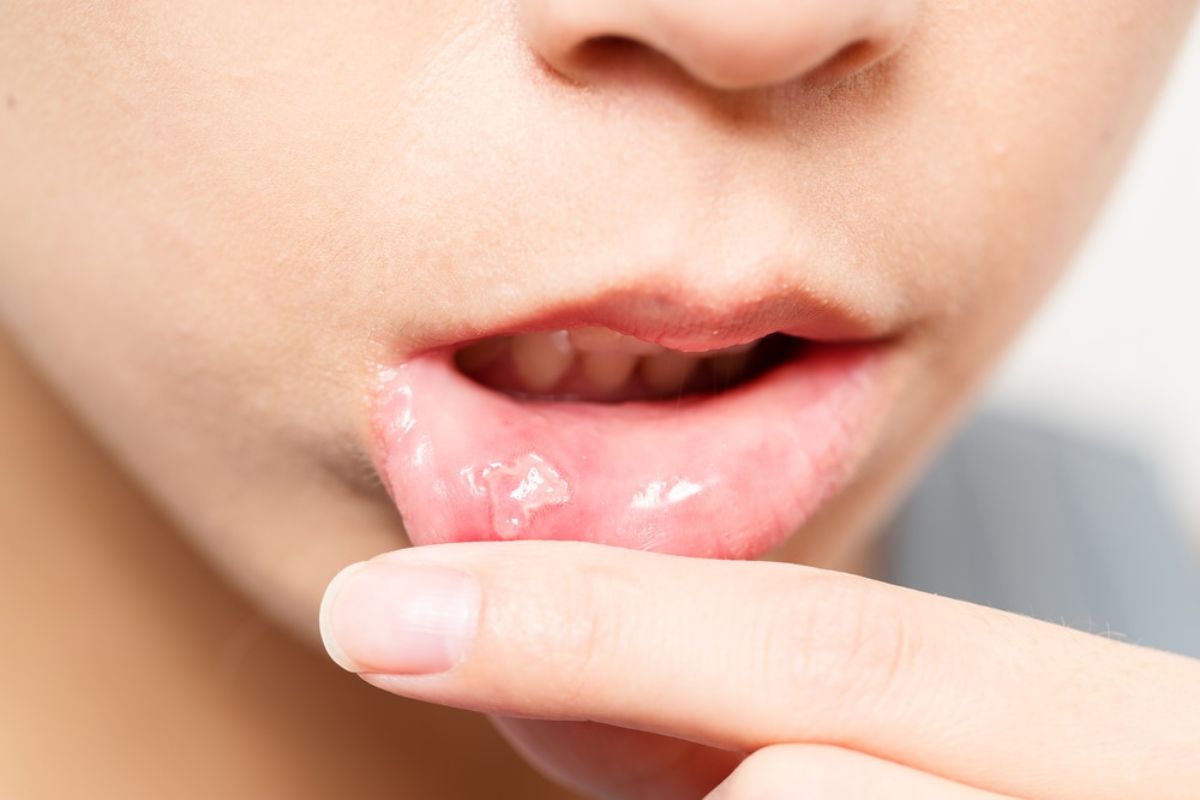
Canker sores can be frustrating, especially when they appear just before a dental appointment. These small, shallow ulcers that develop inside the mouth can cause significant discomfort when eating, drinking, or brushing. You might wonder whether to visit the dentist when you have a canker sore. The answer depends on your symptoms and the type of dental care you need.
Understanding What a Canker Sore Is
Canker sores, also known as aphthous ulcers, form on the soft tissues inside your mouth—like the inner cheeks, gums, or beneath the tongue. They don’t appear on the lips and don’t result from the herpes virus, making them non-contagious. These sores typically heal on their own within 7 to 10 days. As they heal, the center often appears white or yellowish, which can sometimes cause confusion. If you’re unsure whether what you’re seeing is a simple healing ulcer or a different type of oral change, our article on white spots on gums or tongue and when to be concerned explains how to tell the difference.
Common causes include:
- Stress
- Minor injuries from dental appliances or brushing
- Certain foods (like citrus or spicy items)
- Nutrient deficiencies
- Hormonal changes
Mild to moderate pain is common, especially when the sore is touched or irritated. Fortunately, these sores rarely indicate a serious health issue.
Should You Reschedule Your Appointment?
In most cases, you can keep your dental appointment even if you have a canker sore—especially if it’s a routine cleaning or checkup. Dentists are trained to work around sensitive areas and can adjust their techniques to minimize discomfort. However, if the sore is particularly painful or you require an invasive procedure, such as a filling, crown, or extraction, you may want to consult your dentist first to discuss your options.
This is also a great time to consult a local dentist near you about frequent or huge canker sores. If they continue to come back, it could be a sign of an underlying issue that requires attention.
What to Expect During Your Visit
If you decide to move forward with your dental appointment, your dentist will likely examine the sore and ask about its history. They may apply a topical anesthetic to help numb the area before starting your cleaning or treatment. Be sure to communicate openly about any pain so adjustments can be made.
In some cases, your dentist might postpone treatment if the sore is too close to the area being worked on. However, this is usually rare.
Helpful Tips to Manage Discomfort
Whether you choose to go to the dentist or not, managing your canker sore at home is key to reducing pain:
- Rinse your mouth with warm salt water or a mild antiseptic rinse.
- Avoid acidic, spicy, or crunchy foods that can irritate the sore.
- Use over-the-counter gels or patches designed to cover and soothe the sore.
- Stay hydrated and maintain gentle oral hygiene.
When to Be Concerned
Although most canker sores heal on their own, contact your dentist if:
- The sore lasts more than two weeks
- You experience severe pain or difficulty eating
- You have multiple sores, or they recur frequently
- The sore is unusually large or spreads
In rare cases, persistent sores could signal more serious conditions like oral infections, immune system issues, or even early signs of oral cancer.
Don’t Let a Canker Sore Delay Your Dental Health
Maintaining regular dental visits is crucial—even when dealing with minor oral issues, such as canker sores. If you’re ever unsure, your best course of action is to reach out to your dental provider and ask. They can help you decide whether to proceed or reschedule.
Don’t let a small sore stand in the way of a healthier smile! If you’re experiencing a canker sore and have a dental visit coming up, contact your local dental office to discuss your options. Need expert advice? Book an appointment with a trusted dentist today and take the first step toward better oral health—discomfort-free.
FAQs
1. Can I still get my teeth cleaned if I have a canker sore?
Yes, in most cases routine cleanings can continue. Your provider can work carefully around the sore to minimize discomfort.
2. Will dental treatment make a canker sore worse?
Not typically. Gentle techniques and clear communication usually prevent additional irritation.
3. Should I cancel my appointment if the sore is painful?
If the pain is significant or the sore is large, call ahead and describe your symptoms. Your provider can advise whether to proceed or reschedule.
4. How long do canker sores usually last?
Most heal on their own within 7 to 10 days. If one lasts longer than two weeks, it should be evaluated.
5. When are frequent canker sores a concern?
If sores recur often, are unusually large, or interfere with eating and speaking, it’s helpful to discuss patterns with your dental provider to rule out underlying causes.
Recent Posts

August 18, 2026
Can Veneers Fix Gapped or Uneven Teeth?

August 13, 2026
Can Veneers Stain? What to Know About Coffee, Tea, and Wine

August 6, 2026
Best Dentist for Kids Near Beaverton, OR: What to Look For

July 29, 2026
7 Signs You Need a Dental Implant (And What to Do Next)
July 21, 2026